
Azerbaijan Desserts: Traditional Sweets You Must Try
 By Axel Donovan
| Update on: Feb 28, 2026
By Axel Donovan
| Update on: Feb 28, 2026
Azerbaijan desserts are a delicious reflection of the country’s rich culture, featuring nuts, honey, and centuries-old baking traditions. From rich pakhlava to delicate shekerbura, these traditional sweets are closely connected to festivals and everyday hospitality. When you are thinking about trying the best Azerbaijan desserts in Baku or any other place, for travelers interested in exploring Azerbaijani cuisine, many nationalities can apply for an Azerbaijan e-Visa online, which makes planning a culinary-focused visit more convenient.
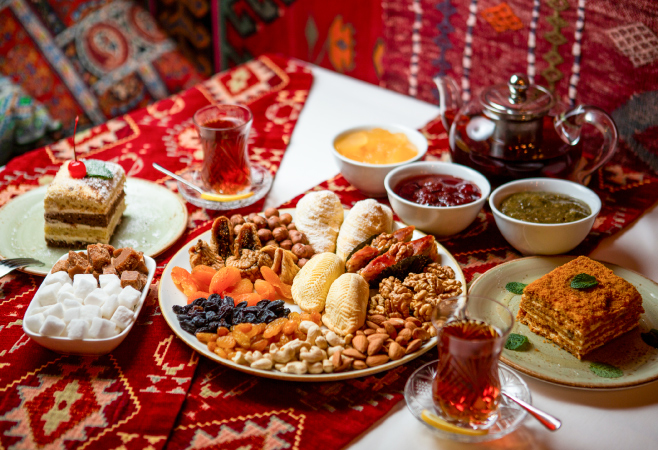
Azerbaijan desserts famous traditional sweets to try
What are traditional Azerbaijan desserts
Traditional Azerbaijan desserts are sweet pastries made with nuts, flour, butter, and syrup, deeply connected to cultural traditions and seasonal celebrations.
Pakhlava
The most well-known Azerbaijani dessert is pakhlava which symbolizes hospitality and celebration. Azerbaijani pakhlava, while sharing similarities with other regional baklava-style desserts, is typically cut into diamond shapes and often flavored with cardamom, with fillings that may include walnuts, almonds, or other local nuts. It is baked using several layers of dough and finished with syrup or honey. Pakhlava plays a particular role during the Novruz holiday as well when it symbolizes the sun and prosperity.
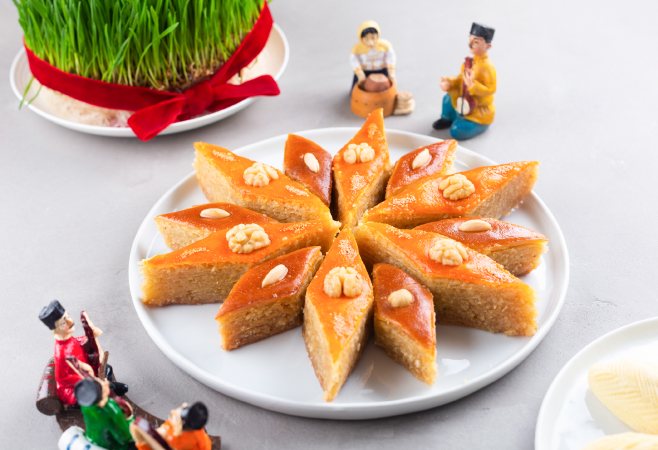
Pakhlava stands as an iconic Azerbaijan dessert of hospitality and tradition
Shekerbura
Shekerbura is an Azerbaijani pastry that is filled with sweet tasting ground nuts, typically almonds or walnuts mixed with sugar. The dough is tender and a bit crumbly and the top is decorated with intricate hand-pinched patterns with special tongs known as maggash. Shekerbura is usually cooked during the celebrations of Novruz, and it is accompanied by pakhlava and gogal as its signs of plenty and revitalization.
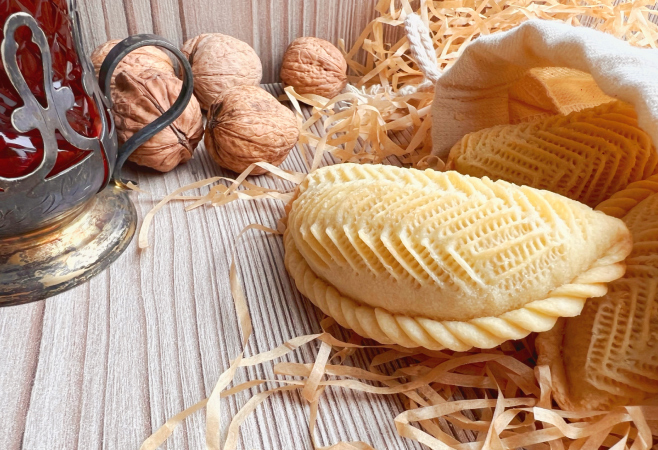
Shekerbura is a well-known pastry from Azerbaijan
Badambura
Badambura is a delicate Azerbaijani pastry made with thin dough layers and a lightly sweetened almond filling, resulting in a dessert that is generally milder and less syrupy than pakhlava. The stuffing normally consists of almonds that have been ground, sugar, and cardamom, which give it a pleasant aroma. Badambura is a popular dessert in Azerbaijan, often enjoyed during holidays or served with hot black tea
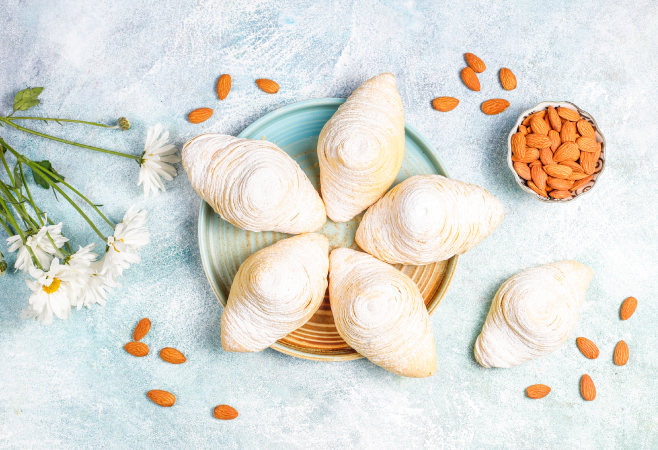
Badambura is a traditional Azerbaijani pastry with thin dough layers
To better understand the rich culinary heritage behind these sweets, you can also explore Azerbaijan national food and discover more traditional dishes.
Kulcha (Kulche)
Kulcha, also known as kulche, is a traditional baked good commonly found in Azerbaijan and neighboring regions, with local variations ranging from lightly sweetened breads to filled pastries. There are those that are mildly sweetened and stuffed with nuts or sugar and others which are unadulterated and eaten with tea. Kulcha is usually baked during family parties and feasts, which is a symbol of the simplicity and warmth of Azerbaijani home cooking. It is still one of the most familiar classic baked goods in Azerbaijan.
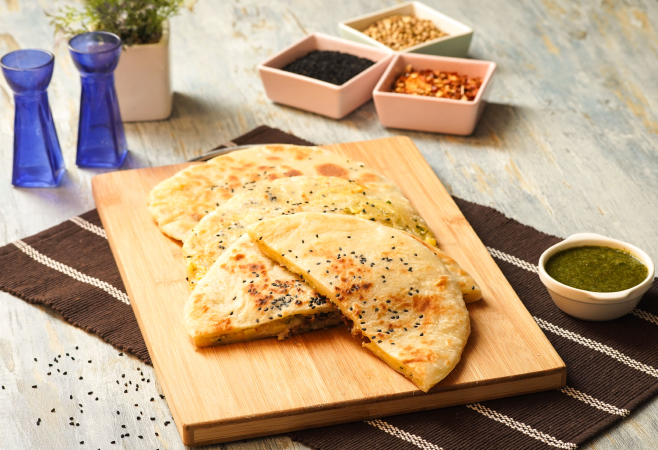
Kulcha is a classic Azerbaijani sweet bread
Shirin-chorek
Shirin-chorek is a traditional Azerbaijani sweet bread commonly served with tea. Shirin literally translates to sweet and this bread is not very sweet. It is prepared using yeast dough to which butter, milk and eggs have been added so as to provide it with a soft texture and a mild taste. The Shirin-chorek is usually cooked at home and served at family get-togethers; this is a reflection of everyday dessert culture in Azerbaijan. Shirin-chorek is more commonly associated with everyday home baking rather than major national celebrations.
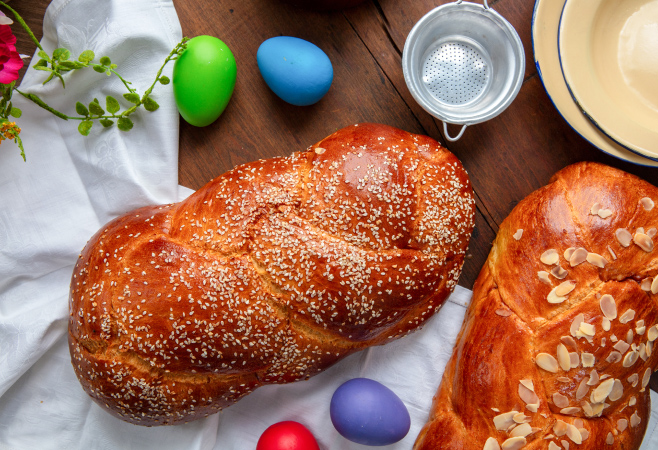
Shirin-chorek is a traditional Azerbaijani sweet bread served with tea
After enjoying traditional sweets, don’t miss the best street food in Baku to discover the city’s vibrant food scene.
Nogul
Nogul is a traditional Azerbaijani confection made by coating nuts—such as almonds or hazelnuts—with crystallized sugar. It is particularly connected with the Novruz holiday, where it symbolizes sweetness and prosperity. It is not baked and it is made by a traditional sugar-coating technique. It is usually eaten together with tea and other desserts, which is why it is one of the easiest, but the most culturally important Azerbaijani sweets.
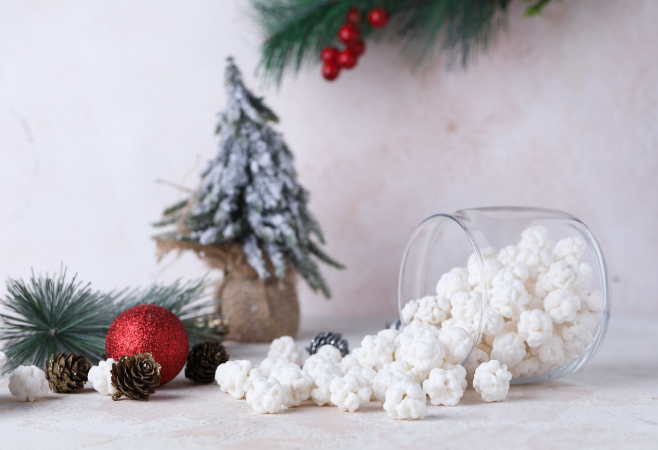
Nogul is a traditional Azerbaijani nut-based candy
If you are looking for plant-based options to complement these sweets, explore Azerbaijan vegetarian food for more delicious choices.
Shaker-churek
Shaker-churek is a traditional Azerbaijani butter cookie, which is crumbly in texture and rich in taste. It consists of flour, butter, powdered sugar and egg yolks, and is commonly decorated with some pattern over it. Shaker-churek is commonly taken as a tea-time pudding and is also made on festive events. It is a classic among the traditional Azerbaijan desserts due to its ease and sweetness.
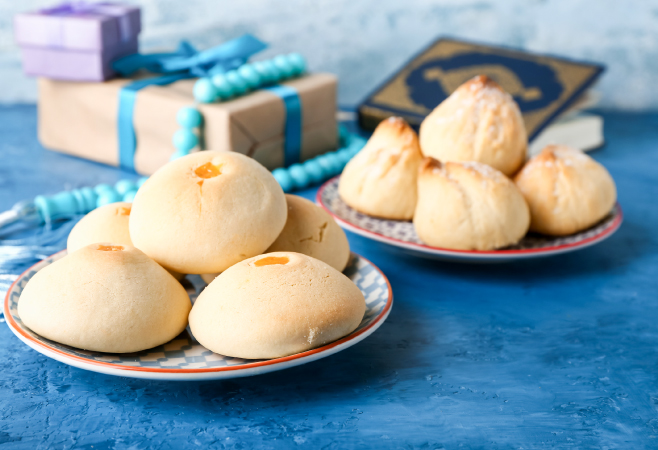
Shaker-churek is a classic Azerbaijani butter cookie
Mutaki
Mutaki is a crescent-shaped Azerbaijani pastry stuffed with ground nuts, sugar, and occasionally jam. The dough is soft and contains light sugar and filling gives it richness and smell. Mutaki is usually baked during holidays and special events yet it is also served as a homemade dessert. Mutaki is appreciated for its crescent shape, soft texture, and versatility in fillings.
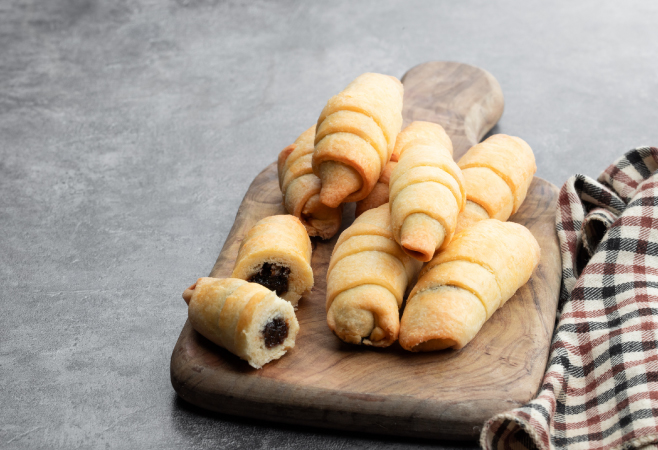
Mutaki is a crescent-shaped Azerbaijani pastry
Zulbiya
Zulbiya is a fried dessert that is made throughout the Novruz festivity. It is prepared out of fermented batter fried into spiral or lattice patterns and dipped in sugar syrup. While similar to other fried syrup-soaked desserts found across the region, zulbiya holds a distinct place in Azerbaijani Novruz traditions.
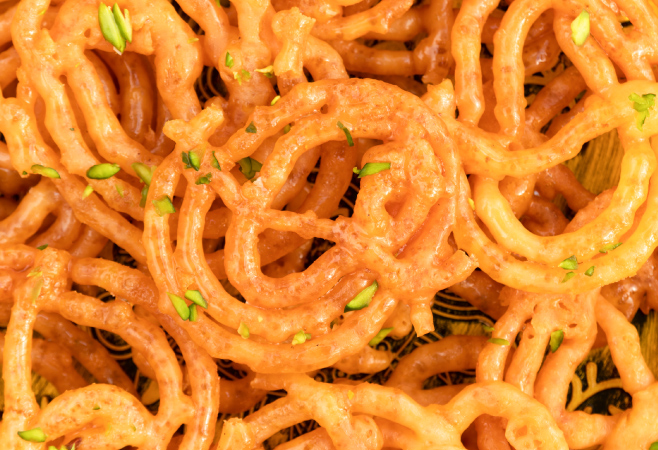
Zulbiya is a Novruz fried dessert in Azerbaijani cuisine
Many of these sweets are also enjoyed in the morning, making them a delightful part of breakfast Azerbaijan food traditions.
Samanu
Samanu is a special customary Azerbaijan dish prepared from sprouted wheat and cooked over many hours. It is naturally sweet and does not require any extra sugar and has strong cultural significance in the context of Novruz as it is a sign of rebirth, plenty and patience. Samanu is made in large quantities and usually at night, and distributed to families and neighbors. It is among the ancient and symbolic desserts in Azerbaijan.
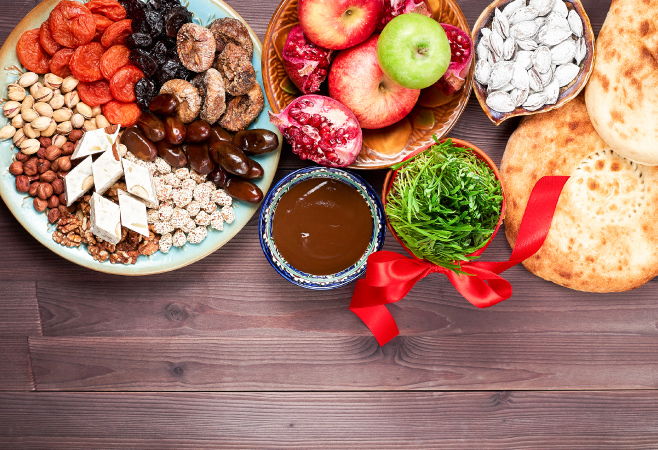
Samanu is a traditional Azerbaijani dish made from sprouted wheat
Where to try Azerbaijan desserts
If you want to experience the authentic taste of Azerbaijan desserts, there are a few good sources to discover them.
- The classic bakeries in Baku would be the best place to start, where one can find fresh pakhlava, shekerbura, and badambura prepared in the traditional recipes.
- The desserts in the local tea houses (cayxana) include shaker-churek and mutaki with strong black tea which is a part of everyday Azerbaijani food culture.
- Azerbaijan National cuisine restaurants have dessert menus with local sweets cooked by professional cooks.
- The homemade desserts such as samanu and zulbiya are sold in local markets and festival stands particularly during the Novruz season by local families.
- The family run pastry shops that are typically in smaller towns and neighborhoods are where traditional practices and tastes most likely remain intact.
These places often provide a more authentic insight into traditional Azerbaijani desserts and their cultural context.
FAQs about Azerbaijan desserts
Azerbaijan desserts are deeply rooted in tradition and often raise questions for travelers exploring local sweets for the first time.
Are Azerbaijan desserts similar to baklava?
Some Azerbaijan desserts resemble baklava, especially pakhlava, but they are distinct. Azerbaijani pakhlava is thicker, often diamond-shaped, and flavored with spices like cardamom, setting it apart from Turkish or Greek versions.
Are Azerbaijan desserts vegetarian?
Most traditional Azerbaijan desserts are vegetarian, as they are made from flour, nuts, sugar, butter, and syrup. However, some may contain eggs or dairy, so they are not always vegan.
What desserts are eaten during Novruz?
During Novruz, the most popular Azerbaijan desserts include pakhlava, shekerbura, gogal, samanu, and zulbiya. These sweets symbolize prosperity, renewal, and abundance in Azerbaijani culture.
In conclusion
Desserts in Azerbaijan are the products of the rich local culture of the country, which incorporates the use of nuts, spices, and old-time baking methods. It is the desserts such as festive Novruz sweets and regular pastries with tea that are a valuable experience of Azerbaijani culture. When you plan to visit Azerbaijan and taste local desserts in Baku or other localities, lots of tourists could easily apply for an Azerbaijan e-Visa and it would not be hard to experience food culture in the country.
Related Articles
- Qatar to Azerbaijan Distance, Flight Time & Travel Guide
- Saudi Arabia to Azerbaijan Distance: Flight Time and Routes
- Russia to Azerbaijan Distance: Flight, Road Distance & Travel Time
- Azerbaijan Tour Packages from Pakistan: Plan Your Trip
- Explore Azerbaijan Tour Packages from UAE Today
- Taza Pir Mosque Baku: History, Tips & Highlights
- Festivals in Azerbaijan: Top Cultural Events to Explore
- Azerbaijan Travel Restrictions: What Travelers Need
- Azerbaijan Tour Package from Qatar: Best Deals and Itinerary
- Kuwait to Azerbaijan Distance: Routes, Time & Travel

HOW CAN WE HELP?
 NEED HELP 24/7
 United States
+1 949 346 9868
United States
+1 949 346 9868
 United Kingdom
+44 0330 822 7696
United Kingdom
+44 0330 822 7696
 Singapore
+65 6485 3630
Singapore
+65 6485 3630
 Viber
+65 8174 8526
Viber
+65 8174 8526

APPLY WITH CONFIDENCE


|


